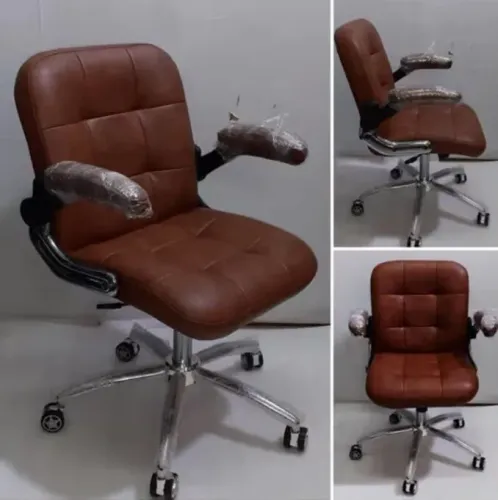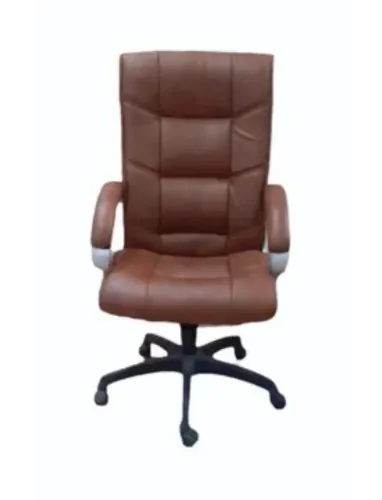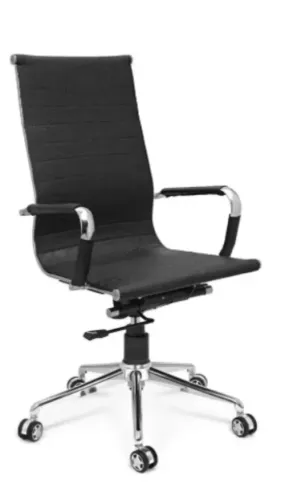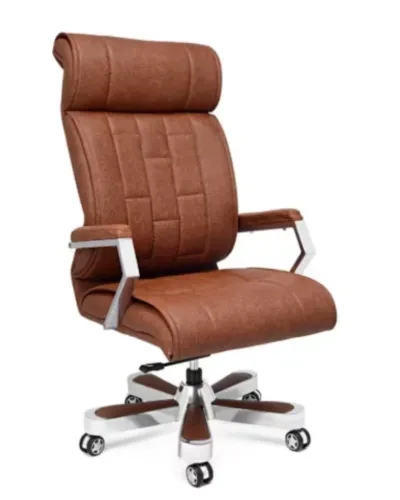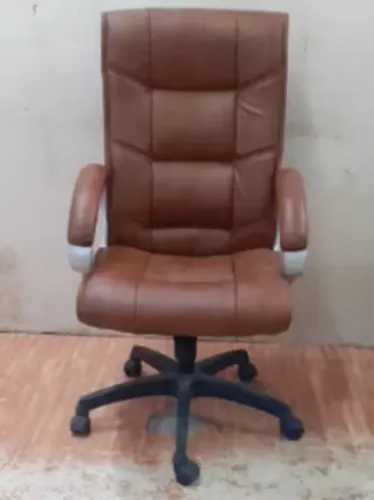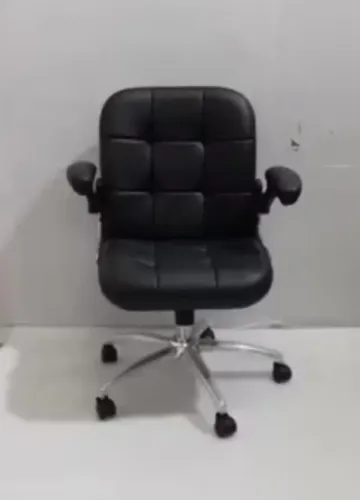
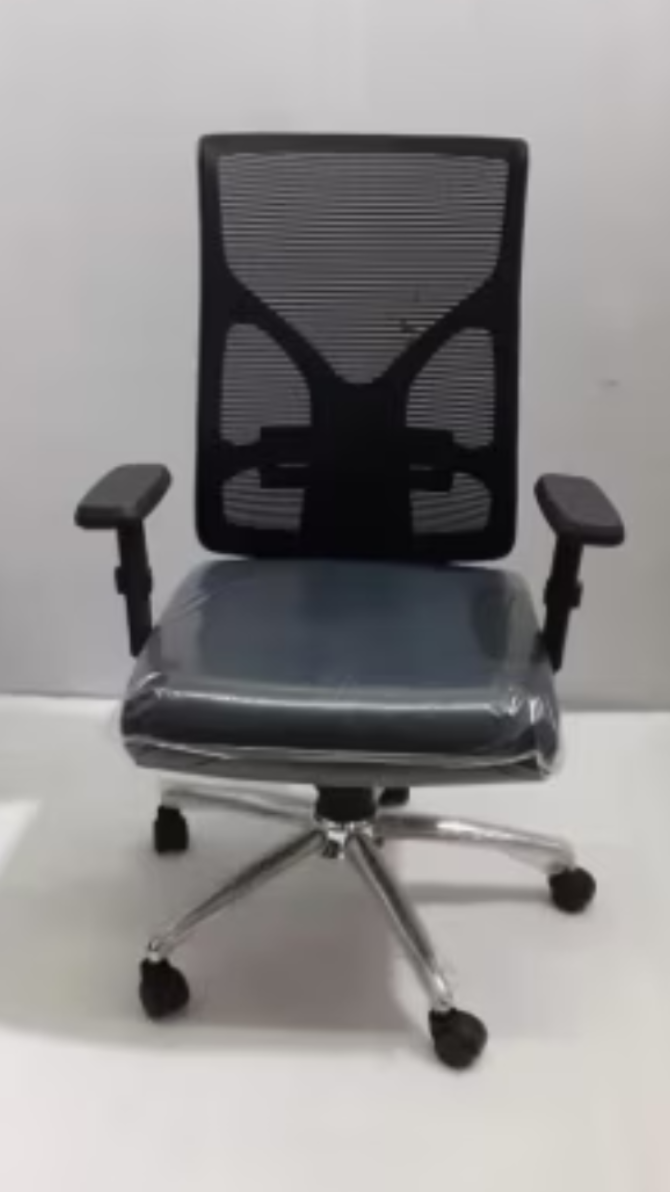
Commercial furniture has to perform under conditions that can be very different from home use. In a busy office, chairs may be occupied for many hours, moved repeatedly, shared between employees, and adjusted frequently.
Selecting a Commercial Office Chair Manufacturer therefore involves examining whether the seating is designed around genuine workplace requirements.
Commercial Seating Begins With Application
Different business environments create different demands.
An IT office may prioritise ergonomic task seating for prolonged computer work. A call centre may require large quantities of adjustable chairs used across shifts. A corporate headquarters may need coordinated seating for employees, managers, executives, conference rooms, and visitor areas.
Electronics facilities and laboratories can introduce specialised requirements that ordinary office chairs may not address.
A manufacturer should therefore understand where each chair will be used before specifications are finalised.
Check Whether the Product Range Matches the Project
Large workplaces rarely contain only one type of seating.
A commercial project may require:
- Task chairs
- High-back chairs
- Executive seating
- Mesh chairs
- Computer chairs
- Meeting-room seating
- Visitor chairs
- Specialised ESD or anti-static seating
Working with a manufacturer that understands different applications can simplify specification planning across the project.
Evaluate Construction for Expected Usage
Commercial seating should be assessed according to its expected workload.
A chair in a rarely used meeting room and a chair used throughout a full working day do not experience the same level of wear.
Buyers should review the base, casters, upholstery, adjustment mechanisms, armrests, seat construction, and backrest. Where relevant, ask how components can be maintained.
Include Specialised Work Areas in the Seating Plan
Electronics manufacturers, PCB assembly units, laboratories, and certain technical facilities may require seating with characteristics different from standard corporate chairs.
ESD and anti-static requirements, for example, should be evaluated as part of the overall workstation and facility control strategy rather than assumed from the appearance of a chair.
The exact requirements should be defined by the facility's technical procedures and applicable standards.
Look for Manufacturing Readiness
Before selecting a provider for a significant project, procurement teams can assess whether the manufacturer is prepared to discuss:
- Required quantities
- Chair categories
- Technical specifications
- Material options
- Project schedules
- Delivery requirements
- Special workplace applications
- Product consistency
- Maintenance considerations
These discussions provide a clearer indication of project readiness than promotional claims alone.
Plan Deployment Across the Workplace
For a new office or refurbishment project in Delhi, seating should ideally be coordinated with workstation installation.
Desk heights, cabin layouts, meeting-table dimensions, floor finishes, access routes, and departmental handover dates can all influence chair selection and delivery.
Inditech Engineer manufactures office and specialised seating for commercial and industrial requirements, making the company relevant to Delhi organisations planning workplace furniture at project scale.
Commercial Seating FAQs
What makes a chair suitable for commercial use?
Suitability depends on construction, intended usage, adjustability, materials, dimensions, maintenance, and the specific workplace application.
Can commercial seating be customised?
Available configurations depend on the manufacturer and model. Buyers should discuss required materials, features, quantities, and technical requirements before ordering.
When should seating be selected during an office project?
Ideally, after workstation requirements and layouts are sufficiently developed but early enough to accommodate product selection, procurement, and delivery schedules.
Commercial seating procurement works best when chairs are treated as part of workplace infrastructure. Application, user requirements, technical specifications, and project logistics should all influence the final decision.
Keywords