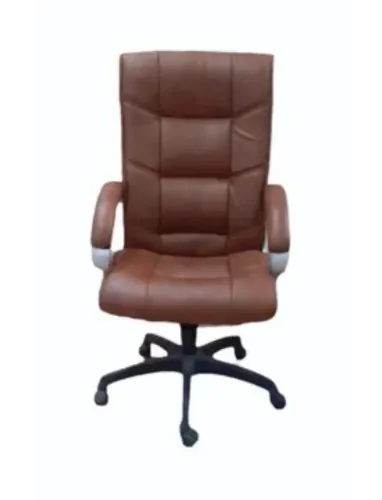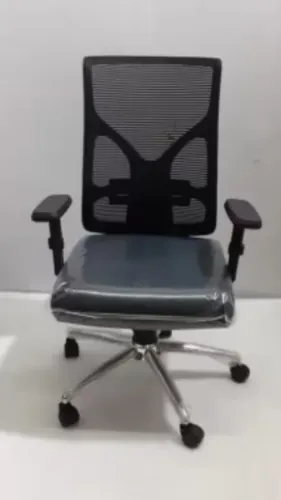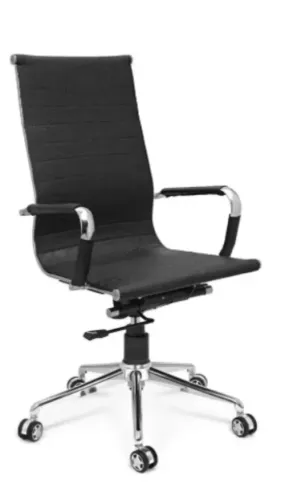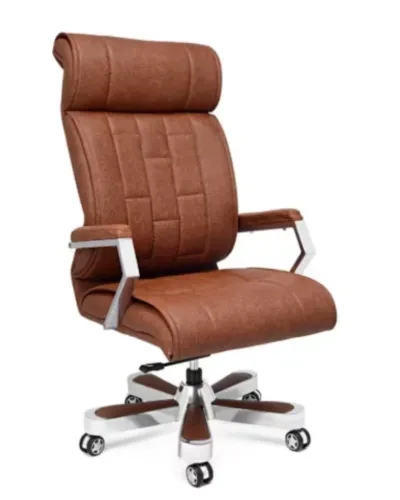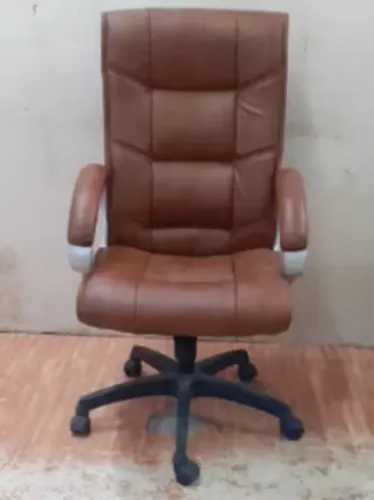
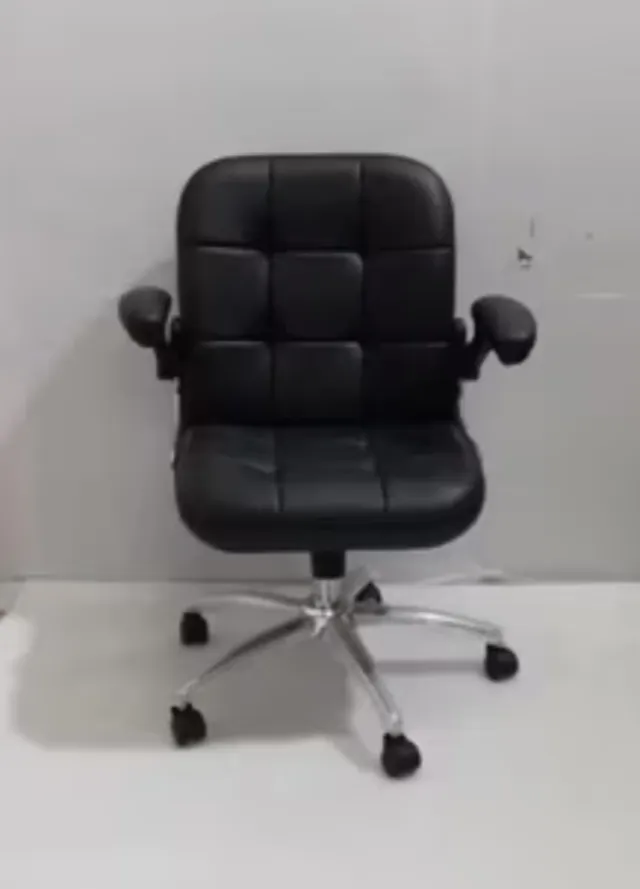
A Leather Office Chair can give an executive cabin, conference room, or managerial workspace a formal and substantial appearance. However, purchasing decisions based entirely on appearance can lead to problems with dimensions, maintenance, temperature comfort, and daily usability.
Businesses should evaluate the chair as working equipment first and an interior design element second.
Understand What You Are Buying
The term leather chair can cover different materials and constructions.
Buyers should confirm the exact upholstery specification rather than making assumptions based on photographs. Surface feel, cleaning requirements, durability, and maintenance can vary between natural leather, synthetic leather, and other leather-finish materials.
This distinction becomes especially important when multiple chairs are being ordered for a commercial workplace.
Check Cushioning and Seat Dimensions
A heavily cushioned chair may appear comfortable, but softness alone does not determine whether it will work well for several hours of sitting.
Seat width and depth need to suit the intended user. The backrest should allow the person to sit comfortably without feeling pushed forward by excessive padding.
Armrests should also support the intended sitting position without preventing the chair from fitting near the desk.
Consider Temperature and Ventilation
Delhi's climate makes thermal comfort worth considering.
Leather and leather-look surfaces generally behave differently from breathable mesh. In continuously air-conditioned executive offices this may not present an issue, but workplace conditions should still be considered before standardising a particular chair across many users.
For mixed office environments, businesses may choose different materials for different zones rather than insisting on one seating style everywhere.
Check the Adjustment Mechanisms
A visually impressive chair still needs usable controls.
Evaluate seat-height adjustment, tilt functionality, locking positions where available, armrests, rotation, and caster movement. Users should be able to understand the basic adjustments without difficulty.
After installation, encourage the user to configure the chair rather than continuing with factory-default settings.
Avoid Common Purchasing Mistakes
Several avoidable mistakes occur when selecting executive seating:
- Choosing entirely from photographs
- Ignoring chair dimensions
- Assuming thicker cushioning means greater comfort
- Failing to check desk clearance
- Overlooking upholstery maintenance
- Ignoring caster and base construction
- Ordering large quantities before confirming specifications
For Delhi procurement teams, correcting these issues before an order is far easier than dealing with unsuitable seating after an office has been furnished.
Maintain the Upholstery Properly
Cleaning should follow recommendations appropriate to the upholstery material. Harsh chemicals can affect certain surfaces, so businesses should know what material they are maintaining.
Casters, mechanisms, armrests, fasteners, and the chair base should also be inspected periodically. Upholstery is only one component of the chair.
Inditech Engineer provides office seating solutions for commercial workplaces, allowing businesses to consider leather and other seating options according to workspace requirements.
Frequently Asked Questions
Is a leather chair appropriate for all-day computer work?
It can be, provided the dimensions, support, adjustments, and thermal characteristics suit the user.
Are leather chairs only suitable for senior management?
No. They can be used wherever the design and functional requirements justify them, although they are commonly associated with executive environments.
Should leather chairs be placed in direct sunlight?
Long-term exposure to strong sunlight can affect many upholstery materials. Placement and the specific manufacturer's care guidance should be considered.
The most successful choice combines the desired visual character with practical dimensions, reliable mechanisms, appropriate upholstery, and manageable long-term care.
Keywords