An executive chair earns its place when its visual authority does not force you to sacrifice movement, posture or desk compatibility. By the end, you will know how to judge the silhouette, fit, materials, adjustments and test evidence that separate a commanding boss chair from an uncomfortable oversized seat.
Key takeaways
- Choose proportion, finish, and stability instead of oversized parts.
- Prioritise seat fit and adjustments over a soft cushion alone.
- Match back height to your work pattern and available room.
- Request upholstery details and test evidence before specifying chairs.
What Makes a Chair Look Executive Without Making It Awkward
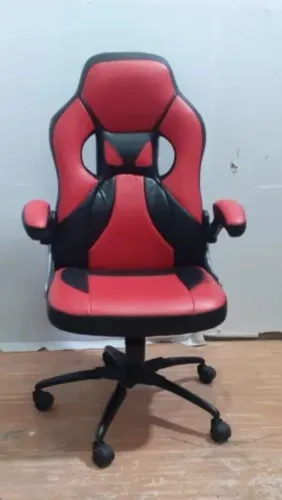
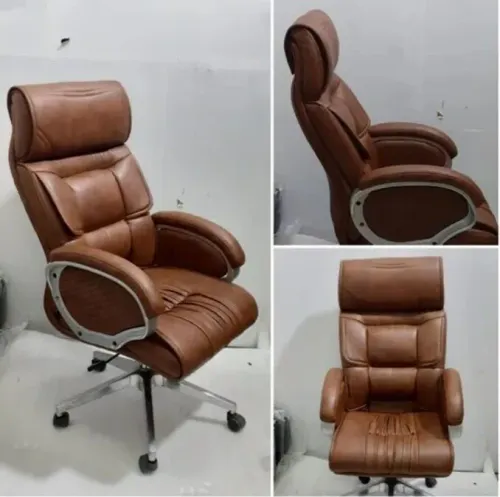
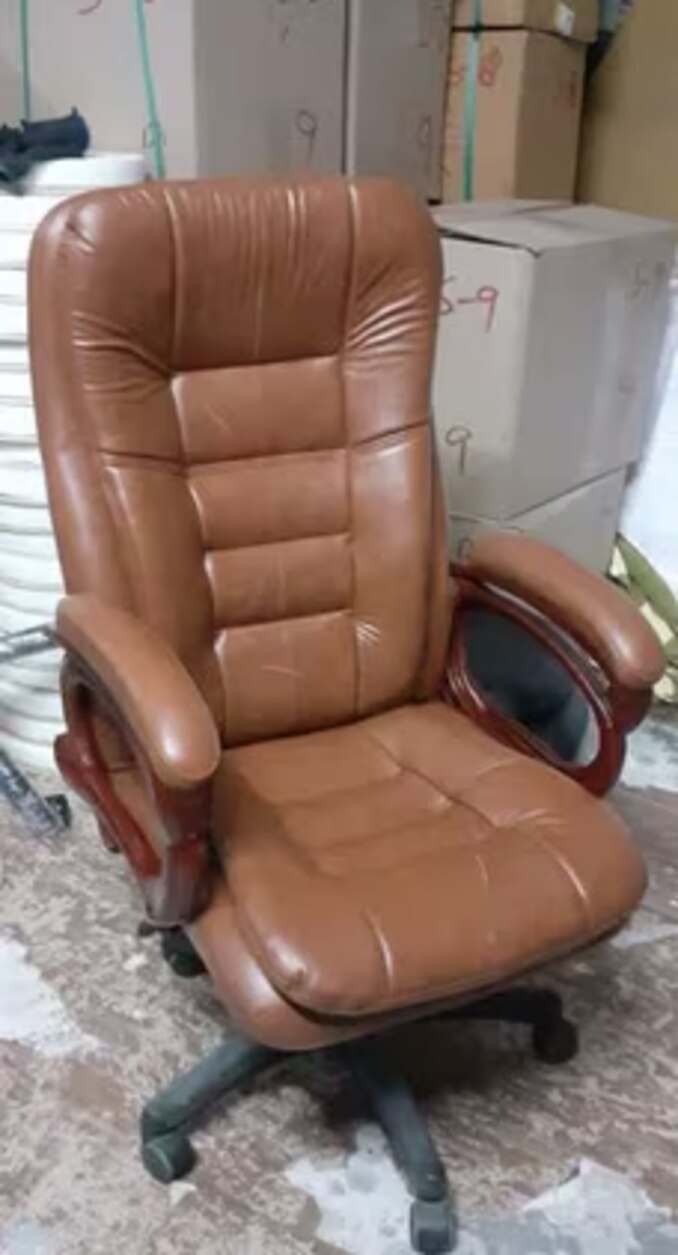
Executive authority comes from proportion and finish, not from making every part oversized. In executive chair design, tailored upholstery, restrained stitching, a substantial back, a stable five-star base and a coordinated chair colour and finish create presence.
Boss chair style works best when the silhouette looks deliberate rather than bulky: use a high back for shoulder support and visual importance, but avoid a fixed shell so tall that it blocks movement or dominates a small room.
| Design choice | Creates authority through | Prevents daily awkwardness by |
|---|---|---|
| High-back form | Strong vertical scale and head-to-shoulder support | Allowing recline, lumbar adjustment and enough desk clearance |
| Broad armrests | A deliberate, substantial silhouette | Using height-adjustable or removable arms that fit beneath the desk |
| Deep cushioned seat | A comfortable, formal appearance | Matching seat depth to the user so both feet remain flat and the back stays supported |
| Leather-look upholstery and dark finish | A polished, traditional impression | Choosing a surface that suits heat, cleaning needs and long sitting periods |
Check the chair during real tasks, not only from across the room. At the desk, set seat height so your feet are flat, adjust the back angle for typing and reading, and keep armrests low enough to avoid raised shoulders.
During meetings and video calls, confirm that the arms do not trap your elbows; when you stand repeatedly, ensure the base and arms do not obstruct your knees. A refined chair should support movement, not stage-manage it.
Prioritise Fit and Adjustment Over Cushion Softness
During a full working day, fit matters more than a soft cushion. Set the seat height so both feet rest flat, knees stay near a right angle, and the seat does not press behind them; then position the back and arms around your posture, not around the chair’s visual proportions.
| Feature | What to check | Failure sign |
|---|---|---|
| Seat height | Enough range for your feet to stay flat while your thighs remain supported | Dangling feet, raised knees or pressure behind the knees |
| Seat depth | Space for your back to contact the lumbar area with two to three fingers between the seat edge and your knees | Slouching to reach the backrest or losing thigh support |
| Lumbar support | A contour that meets your lower back and remains supportive during recline | A fixed bulge pressing above or below your lumbar region |
| Back angle | Independent recline or back-angle adjustment, rather than tilt alone | The seat lifts or the back moves only when both should move |
| Armrest height | Arms level with the desk and shoulders relaxed; width adjustment helps shared users | Elevated shoulders, forward reaching or blocked desk clearance |
Test the chair during email, keyboard work, reading and a video call. A synchronized tilt mechanism is not equivalent to independent adjustments: different leg and torso lengths require different settings. Broad fixed arms, deep cushions and tall fixed backs can look authoritative yet force shorter users forward.
Choose adjustment range over extra padding, and confirm you can get in and out without catching the armrests.
Match Back Height to Your Work Pattern and Room Layout
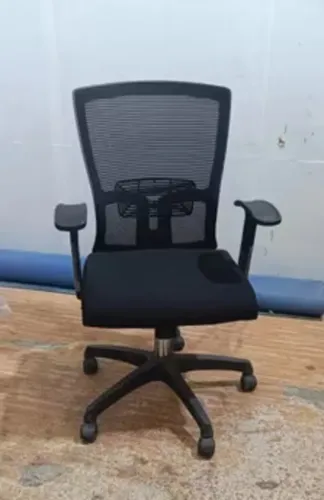
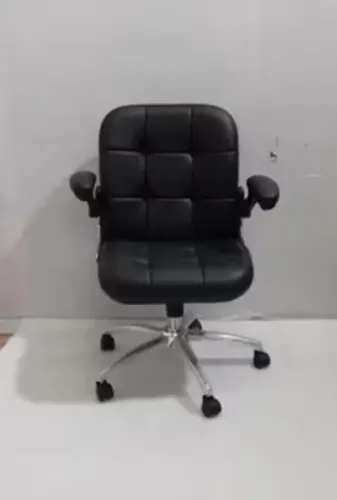
Choose a high-back boss chair for longer meetings, calls or reading sessions where shoulder support and a substantial presence matter; choose a mid-back chair for keyboard work and mixed daily use; choose a low-back chair when frequent movement and compact clearance matter most.
| Option | What it provides | When it applies |
|---|---|---|
| High-back boss chair | Upper-back and shoulder support, stronger visual scale, more recline support | Private offices, long video calls, extended meetings and larger rooms where the tall back will not obstruct sightlines |
| Mid-back chair | Back support with less visual bulk and easier desk clearance | Daily email, keyboard work, shared offices and rooms where you move between upright work and discussion |
| Low-back chair | Maximum freedom to turn, stand and reach, with the smallest footprint | Short meetings, visitor-facing rooms, tight layouts and work that involves frequent getting in and out |
A high back is not automatically better: its lumbar contour must sit at your lumbar region, and a fixed shape can miss shorter or taller users. Broad fixed arms can also stop the chair before it reaches the desk, forcing raised shoulders or forward reaching; choose height-adjustable or removable arms when clearance is tight.
For shared seating, specify independent seat-height and back-angle adjustment. Each user needs both feet flat on the floor while the back remains supported, particularly when a deep executive cushion or tall fixed back would otherwise push shorter users forward.
Choose Upholstery and Ventilation for the Actual Working Climate
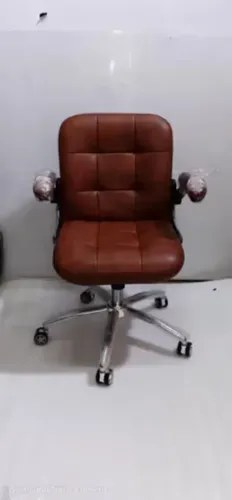
A leather office chair suits an air-conditioned room where appearance and wipe-clean maintenance matter more than maximum airflow. In a hot, humid office, trapped heat becomes uncomfortable during long sitting periods, especially with a high back and thick foam.
| Material | Heat and mesh ventilation | Cleaning, abrasion and ageing | Long-sitting comfort |
|---|---|---|---|
| Leather | Warms gradually and offers limited airflow | Wipe spills promptly; quality hides resist abrasion, while scratches remain visible and surface care matters | Supple and supportive, but heat can build up |
| Leatherette | Retains more heat than leather | Easy to disinfect; friction, heat and sunlight can cause cracking or peeling | Smooth at first, but sticky in heat |
| Fabric | Breathes better and feels less clammy | Handles abrasion according to its weave; absorbs spills and needs stain treatment | Comfortable for extended keyboard work and reading |
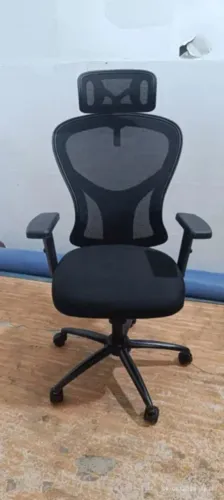
| Mesh | Provides the strongest mesh ventilation | Resists liquid absorption, but dust collects in the weave and sharp edges can snag it | Keeps the back cooler, though firm tension may not suit everyone |
Choose a fabric office chair for a warm workspace, frequent long sessions or users who dislike a sealed seat surface. Choose a leatherette chair for shared desks where quick wipe-downs matter, but inspect the coating warranty and keep it away from direct sun.
Check the seat and back separately: a breathable back does not make a sealed cushion cool. For food, laboratory or healthcare areas, confirm the approved cleaning chemicals before buying, because alcohol, bleach and repeated scrubbing can damage upholstery finishes.
Use a Fit Check and Test Evidence Before You Specify the Chair
Approve an executive chair only after a person can use it at the actual desk and you have checked evidence for its intended environment. An office chair fit test exposes problems that photographs, labels and weight ratings miss.
1. Sit with both feet flat, knees near 90 degrees and two fingers of space behind the knees. Adjust seat height, seat depth, lumbar support, recline tension and back angle; reject the chair if the user must perch forward or round the shoulders.
2. Pull the chair under the desk with the armrests installed. Fixed arms that strike the desktop force shoulder elevation or forward reaching, so test height-adjustable or removable arms. In a shared workstation, record the adjustment range and confirm that the smallest and largest users can reach the controls.
3. Request the manufacturer’s ANSI/BIFMA conformance information, test scope and stated user-size limits. ANSI/BIFMA supports structural durability and safety; it does not prove ergonomic fit, desk compatibility or upholstery life.
4. For an ESD-safe chair, request resistance to ground and resistance-to-groundable-point results for the complete finished chair, including casters and upholstery. Specify the flooring, footwear, grounding arrangement, acceptance limits and verification frequency; a chair alone does not ground the operator.
Inditech Engineer-Office Chair Manufacturer can provide a useful comparison when you ask for those measurements against the exact chair configuration, rather than accepting “ESD” as a product label. For ESD-controlled areas, align the records with ANSI/ESD S20.20 and personnel grounding checks under ANSI/ESD STM97.1 and STM97.2.
Related products
 | Office Chair Beige Fabric High Back Boss Chair Inditech Engineer offers premium quality Beige Fabric High Back Boss Chair, designed for directors, executives, managers, and professionals who need... View product → |
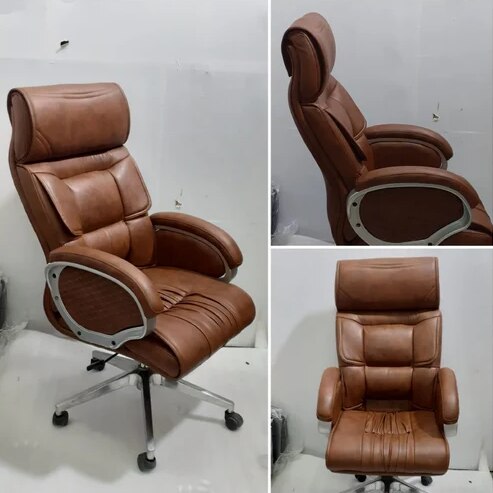 | Office Chair Brown Leather High Back Office Revolving Chair Brown Leather High Back Office Revolving Chair ₹4200 Brown Leather High Back Office Revolving Chair Premium Comfort | Executive Design | Long-Lasting Durability Upgrade your office seating experience... View product → |
Frequently asked questions
What makes an office chair look executive without becoming awkward?
Tailored upholstery, restrained stitching, a substantial but proportionate back, a stable five-star base, and coordinated colours create executive presence without unnecessary bulk.
Why should chair fit and adjustment matter more than cushion softness?
A soft cushion does not compensate for poor seat depth, unsuitable seat height, or limited adjustment. Check whether the chair lets you establish a comfortable working position.
How do you choose the right back height?
Match back height to how you work and the room layout. A taller back suits a more substantial executive setting, while a less imposing profile can work better where space or visual openness matters.
What upholstery and ventilation factors should you compare?
Choose upholstery for the actual working climate and inspect how the material manages heat, airflow, cleaning, and daily wear rather than judging appearance alone.
What should you check before specifying an executive chair?
Complete a fit check with the intended users and request test evidence covering adjustment, stability, materials, and performance for the planned workplace.
Related products
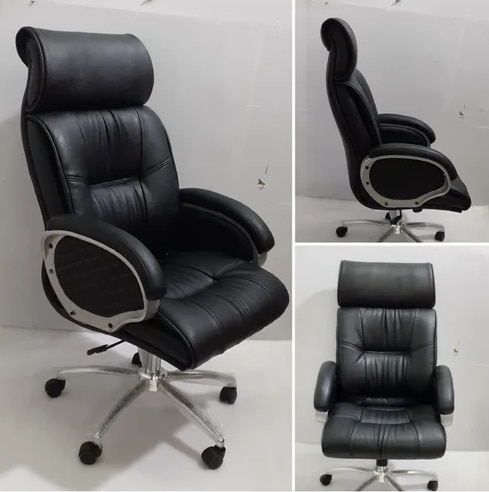 | Office Chair Black Leather High Back Office Revolving Chair ₹4500 Executive Style | Premium Comfort | Built to Last Add a touch of sophistication and authority to your office with the Black Leather High Back Office... View product → |
 | Office Chair Leather Boss Office Revolving Chair ₹3000 Inditech Engineer offers premium quality Leather Boss Office Revolving Chair, designed for directors, executives, managers, and professionals who... View product → |