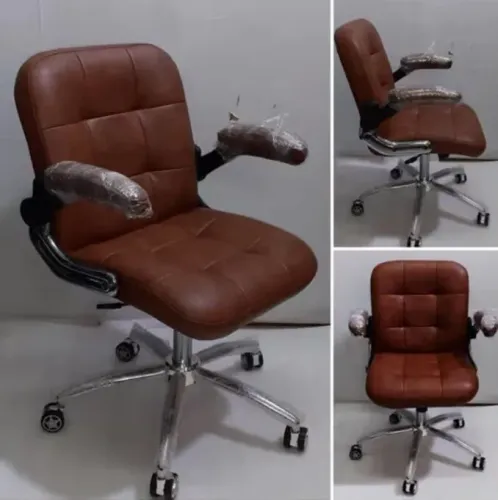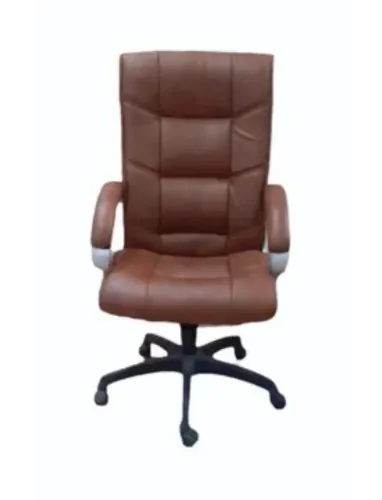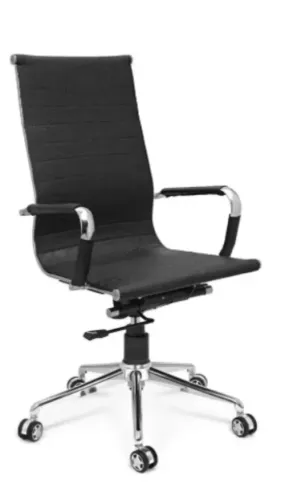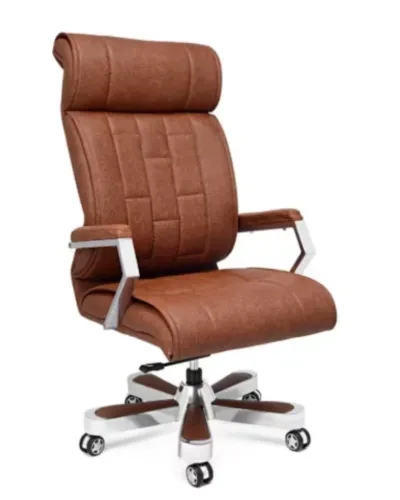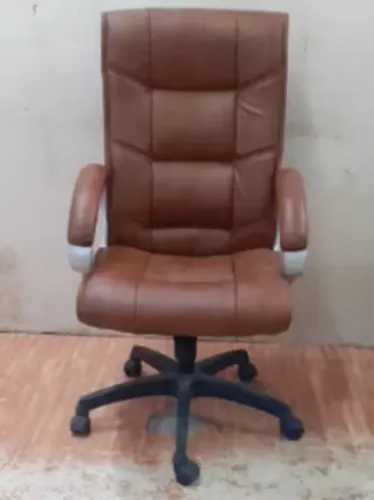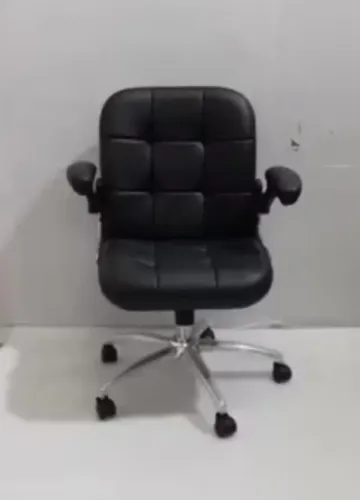
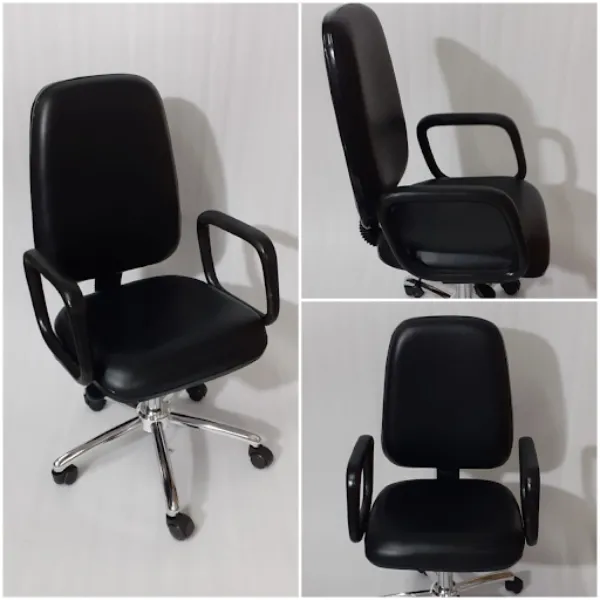
Office seating affects much more than the appearance of a workplace. Employees may spend several hours each day at their desks, which makes chair dimensions, adjustability, support, material quality, and durability important considerations. Working with an experienced Office Chair Dealer can help businesses understand these factors before placing individual or bulk orders.
For corporate offices, startups, IT companies, and commercial facilities in Delhi, seating requirements can vary considerably between departments. A chair suitable for a reception desk may not be appropriate for an employee working at a computer throughout the day. Conference rooms, executive cabins, training areas, and operational workstations can also require different seating configurations.
Start With How the Chairs Will Be Used
The first step is understanding the application rather than choosing a chair solely by appearance.
Businesses should consider:
- Approximate daily sitting duration
- Number of users
- Fixed seating compared with shared workstations
- Desk and workstation dimensions
- Employee movement requirements
- Available floor space
- Cleaning and maintenance expectations
- Expected frequency of use
A workplace where employees regularly change desks may benefit from chairs with straightforward adjustment controls. A dedicated workstation, meanwhile, allows seating to be selected more closely around an individual user's working pattern.
Understand the Features That Affect Everyday Comfort
Office chairs can include adjustable seat height, backrest support, armrests, tilt mechanisms, headrests, casters, and different upholstery materials. More features do not automatically make a chair better.
The important question is whether those features serve the intended user.
Seat height adjustment can help users position their feet appropriately relative to the floor. A supportive backrest can assist with maintaining a comfortable working posture. Armrest adjustment may be useful when employees alternate between keyboard work and other desk activities.
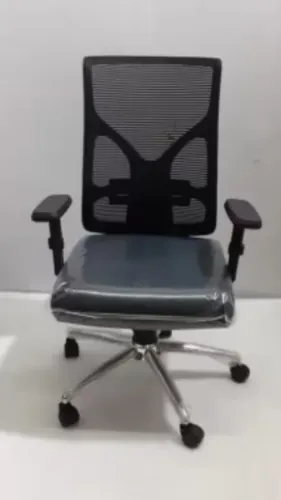
Mesh backs can provide ventilation, while upholstered and leather-finish seating may be selected where appearance and cushioning are priorities.
Check Compatibility With Existing Workstations
Chair dimensions are sometimes overlooked during furniture procurement.
A chair may look suitable in a catalogue but create practical difficulties if its armrests do not fit beneath the desk or its base occupies too much space within a compact workstation.
Before ordering, procurement teams can record desk height, available width, legroom, workstation spacing, and storage arrangements. This becomes especially useful when furnishing offices where several desks are positioned close together.
Consider Durability Alongside Initial Cost
Delhi businesses purchasing seating for daily commercial use should evaluate expected service life rather than comparing only purchase prices.
Components worth examining include the chair base, casters, gas-lift mechanism, upholstery, armrests, frame construction, and adjustment controls.
For chairs that will experience continuous use, easily replaceable components can also simplify future maintenance.
Inditech Engineer serves businesses requiring office and specialised workplace seating, allowing commercial buyers to evaluate chairs according to practical application rather than treating every workspace as identical.
Plan for Adjustment After Installation
Chair selection is only one part of workplace seating.
Once chairs are installed, users should know how to adjust them. Seat height, back support, armrests, and tilt settings should be configured around the workstation and individual sitting position.
Periodic inspection can identify loose components, damaged casters, worn upholstery, or mechanisms requiring attention.
Common Questions About Workplace Seating
Should every employee receive the same chair?
Not necessarily. Standardisation simplifies procurement, but different roles and workstations can create different seating requirements.
Are more adjustment features always better?
No. Useful adjustments are those employees can understand and use comfortably.
What should businesses check before a bulk purchase?
Usage, dimensions, materials, mechanisms, maintenance requirements, quantity, delivery planning, and compatibility with existing desks should all be reviewed.
A suitable office chair is ultimately one that fits the workplace, supports its intended user, and performs reliably under the expected level of daily use.
Keywords