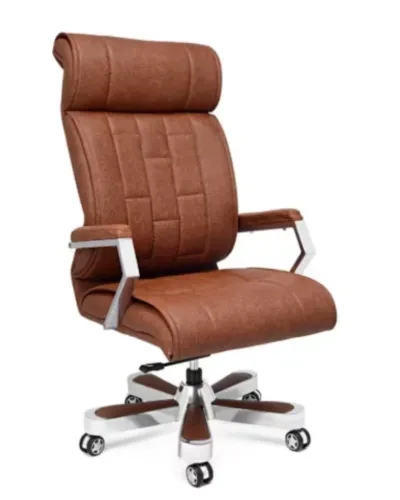
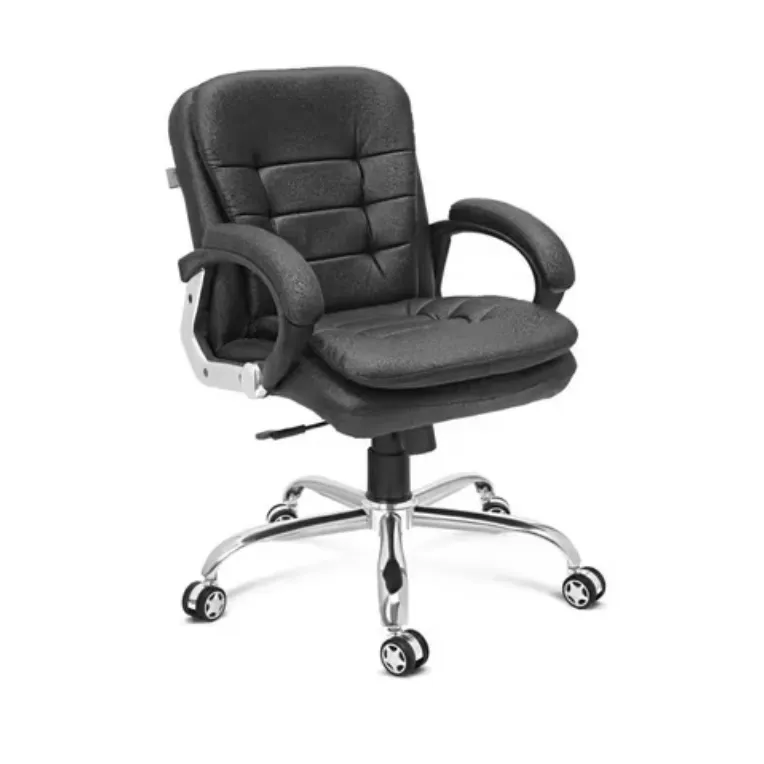
Office chairs are used every day, often for eight hours or more. Over time, even well-maintained chairs begin to show signs of wear that affect comfort, safety, and productivity. Recognizing when replacement is a better investment than repeated repairs can help businesses maintain an efficient workplace.
Many organizations in New Delhi review their seating periodically to determine whether repairing existing chairs remains practical or whether investing in new furniture offers greater long-term value.
The Chair No Longer Provides Proper Support
One of the clearest signs is reduced ergonomic support.
If employees regularly experience:
- Poor lumbar support
- Uneven seating
- Sagging cushions
- Uncomfortable backrests
the chair may no longer perform as intended.
Frequent Mechanical Problems
Repeated failures often indicate that the chair has reached the end of its service life.
Common issues include:
- Gas lift failure
- Broken armrests
- Loose reclining mechanisms
- Worn caster wheels
- Unstable bases
Replacing individual components repeatedly may become more expensive than purchasing new chairs.
Visible Structural Damage
Cracked frames, bent bases, damaged welds, or severely worn upholstery can affect both safety and appearance.
Furniture used in reception areas, conference rooms, and executive offices also contributes to the professional image of an organization. Worn seating may leave an unfavorable impression on visitors and clients.
Changing Workplace Requirements
Businesses evolve over time.
Office expansion, hybrid work models, ergonomic initiatives, or departmental restructuring may require different seating than what was originally purchased.
Modern office chairs often provide improved adjustability, better materials, and enhanced user comfort compared with older models.
Rising Maintenance Costs
If maintenance requests become increasingly frequent, keeping older chairs operational may no longer be cost-effective.
Consider factors such as:
- Replacement part availability
- Repair frequency
- Downtime
- Labour costs
- Product age
Comparing these expenses with the cost of new seating often provides a clearer picture of overall value.
Planning a Replacement Strategy
Replacing every chair at once is not always necessary.
Many organizations choose to:
- Replace heavily used chairs first.
- Prioritize departments with the greatest seating demands.
- Standardize chair models for easier maintenance.
- Select ergonomic designs for future purchases.
This phased approach can help manage budgets while improving workplace comfort.
Businesses evaluating new seating options often consider manufacturers such as Inditech Engineer-Office Chair Manufacturer, which offers office chair solutions for different commercial environments and workplace requirements.
Replacing aging office chairs at the right time helps improve employee comfort, reduce maintenance concerns, and support a professional working environment. Evaluating furniture regularly allows organizations to make informed purchasing decisions that balance performance, durability, and long-term value.
Keywords