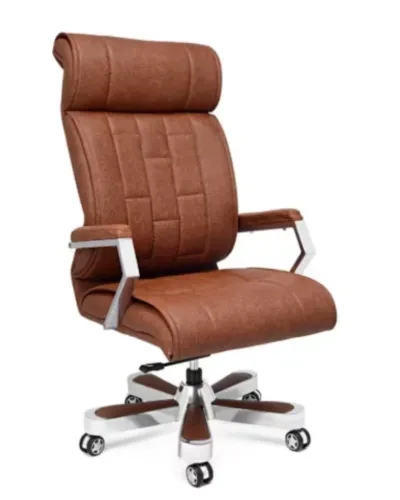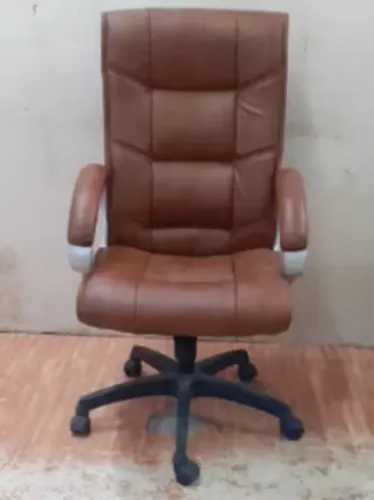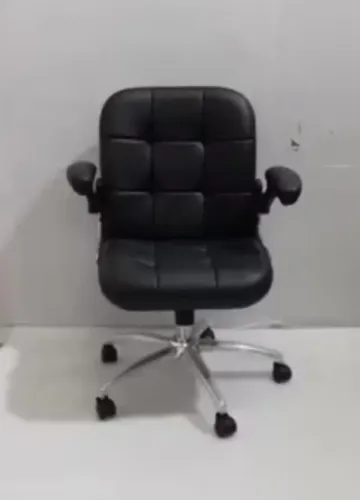
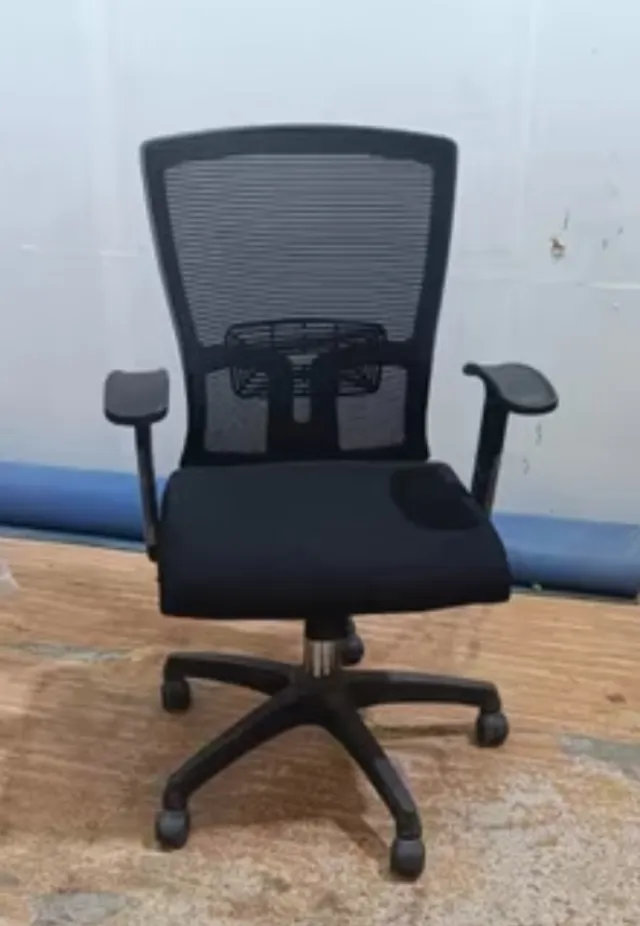
Executive chairs often carry a higher purchase cost than basic task seating, which makes careful comparison worthwhile. Appearance matters in leadership cabins and client-facing environments, but commercial buyers also need to evaluate construction, adjustability, maintenance, and long-term usability.
Choosing an Executive Chair Supplier should therefore involve more than comparing photographs and quoted prices.
Compare Specifications Before Finishes
Two executive chairs can look remarkably similar while using different internal components and adjustment systems.
Before deciding between models, compare:
- Seat dimensions
- Backrest height
- Base construction
- Gas-lift mechanism
- Tilt functionality
- Armrest design
- Upholstery material
- Caster type
- Weight capacity where specified
- Component serviceability
This creates a more meaningful comparison than judging chairs exclusively by colour and upholstery.
Think About Who Will Actually Use the Chair
Executive is a product category, not a universal body size.
A broad, heavily cushioned chair may suit one person but feel oversized to another. Similarly, a deep seat can make it difficult for some users to sit against the backrest while maintaining a comfortable leg position.
Where practical, sample evaluation can help decision-makers understand proportions before approving a larger purchase.
Compare Mesh and Upholstered Designs
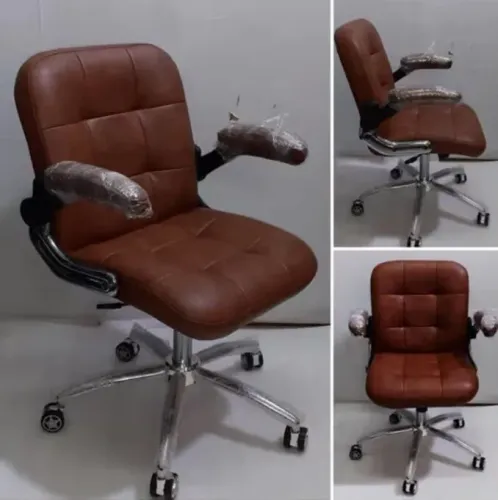
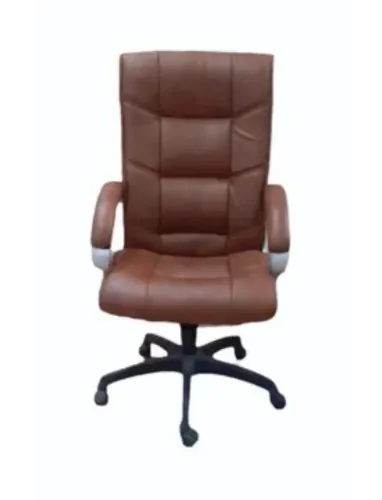
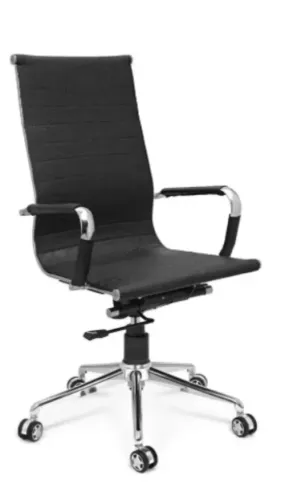
Traditional executive seating often uses heavily upholstered surfaces, while modern offices increasingly incorporate mesh and hybrid designs.
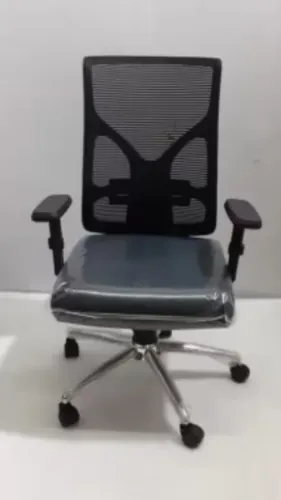
Upholstered chairs may create a substantial visual impression and provide soft cushioning. Mesh can offer greater airflow and a more contemporary appearance.
Neither material is inherently right for every workspace.
Delhi businesses should consider air-conditioning conditions, cleaning requirements, frequency of use, interior design, and user preference when comparing options.
Look Beyond the Initial Purchase Price
Procurement teams commonly work within defined furniture budgets. However, the lowest quotation may not represent the lowest long-term seating cost.
Consider expected service life and whether components such as casters, armrests, or mechanisms can be serviced or replaced. Also consider whether the chair will be used occasionally or for several hours every working day.
A chair used intensively has a different performance requirement from one placed in an occasional meeting room.
Ask About Order Planning
Businesses purchasing several executive chairs should clarify product specifications and supply requirements before confirming an order.
Useful questions include:
- Are all chairs in the order supplied with the same specification?
- What material and colour options are available?
- Are samples available for evaluation where applicable?
- What assembly is required?
- How should the chairs be maintained?
- What information is available about mechanisms and components?
- What lead time applies to the required quantity?
These questions reduce uncertainty during procurement.
Evaluate the Supplier's Understanding of Applications
A capable supplier should be able to discuss the workplace in which the chairs will be installed.
For example, a compact managerial cabin may require different seating from a spacious boardroom. A director spending most of the day at a computer may also have different requirements from an executive whose schedule is dominated by short meetings.
Inditech Engineer works with office and commercial seating requirements in Delhi, including executive applications where buyers need to balance visual character with practical chair specifications.
Frequently Asked Questions
Should businesses order executive chairs without testing them?
For small orders this may be practical, but larger purchases benefit from careful specification review and, where available, sample assessment.
Is thicker cushioning always better?
No. Cushion density, seat dimensions, support, and user preference all matter.
How frequently should executive chairs be inspected?
There is no single interval for every workplace. Inspection frequency should reflect usage intensity and the manufacturer's maintenance guidance.
A strong purchasing decision comes from comparing what sits beneath the surface as carefully as the chair's visible design.
Keywords